Bodyboard wetsuits: how to wear them, where to rent or buy them
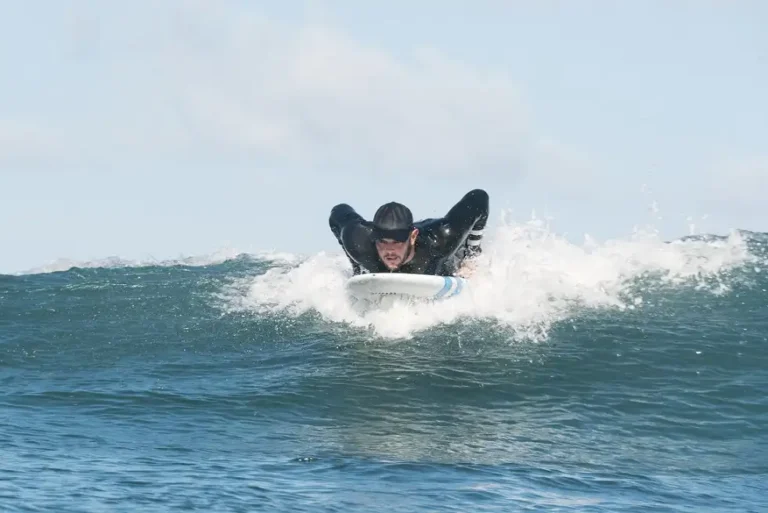
Bodyboarding suits are essential for anyone who wants to practice this sport comfortably and safely.
It’s an indispensable piece of equipment for entering the water, providing body protection, among other functions.
To choose the ideal suit, it’s important to consider how often you practice, the sea conditions, and your budget.
Read on to discover the criteria you need to consider.
It's better to buy or rent bodyboarding suits?
It's better to buy or rent bodyboarding suits?
The decision between buying or renting depends on how often you bodyboard. Those learning or practicing occasionally can opt for renting, which avoids a high initial investment.
Many schools and sporting goods stores offer this option, allowing you to test different models before buying.
This is the case at Surfing Figueira, where you can find all the equipment you need to surf without having to worry about it.
On the other hand, those who frequently get in the water may benefit more from buying.
A proper wetsuit can fit the body better and last longer, provided it is well cared for.
Furthermore, rental costs accumulate over time, making buying more advantageous for regular practitioners.
What kind of protection do the suits provide?
What kind of protection do the suits provide?
Bodyboarding suits help maintain body temperature by retaining a layer of water between the neoprene and the skin, which is heated by the body.
This thermal protection is essential for long sessions or in cold water.
In addition to heat retention, the suits also protect against irritation caused by friction with the board and possible impacts with the seabed or other objects.
Some versions even have reinforcements at the elbows and knees for greater durability and safety. Key features of the suit include:
- The most commonly used material is Neoprene, available in different levels of flexibility and resistance.
- Thinner suits (2-3 mm) are recommended for warm water, while thicker ones (4-5 mm) retain heat better in colder temperatures.
- Models with sealed seams prevent cold water from entering, while chest zippers provide more flexibility compared to back zippers.
Some suits have special UV protection, useful for those who spend a lot of time in the water. This feature reduces the risk of sunburn in covered areas.
What is the difference compared to wetsuits?
What is the difference compared to wetsuits?
Although bodyboarding and surfing wetsuits are made of the same material, there are some design differences.
Bodyboarders move more in the water, so their wetsuits tend to be more flexible.
Additionally, since they spend more time submerged, they may need greater thermal insulation.
Another difference lies in the reinforcements. Surfing wetsuits generally provide more support at the knees, as surfers need stability when standing up on the board.
Bodyboarding wetsuits, on the other hand, can offer more freedom of movement in the arms, allowing for looser paddling and maneuvering on waves.
Conclusion
Conclusion
Bodyboarding suits, as we’ve seen, are essential for anyone who wants to practice this sport comfortably and safely.
At Surfing Figueira, you surf with a team of experienced instructors and all the necessary infrastructure.
Learn to surf with us in a fun, safe way, and with the best value for money.